
-
×
 Clinitas Soothe
1 × 360.000₫
Clinitas Soothe
1 × 360.000₫ -
×
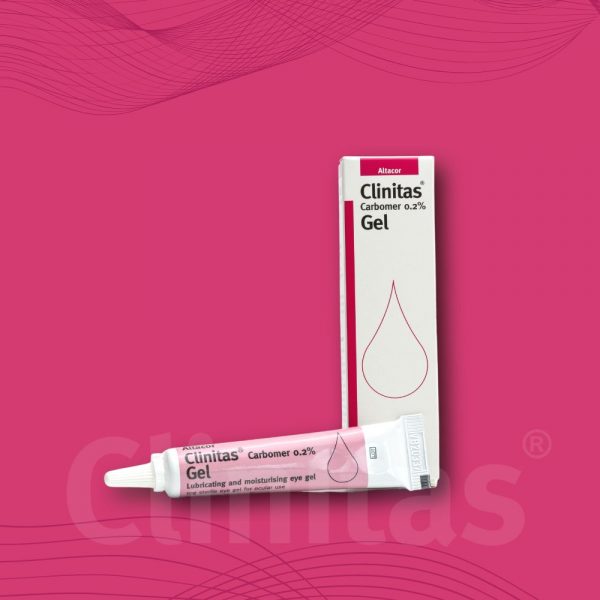
 Clinitas 0.2%
1 × 390.000₫
Clinitas 0.2%
1 × 390.000₫
Tổng số phụ: 750.000₫


 З Online Casino USA Legal Status and Regulations
Explore the current legal status of online casinos in the USA, including state-by-state regulations, licensing requirements, and player protections. Understand what options are available and how to stay compliant while playing online.
California? Nope. Texas? Not even close. If you’re chasing live spins with actual payouts, you’re limited to 14 states – and only a few dropped the curtain before 2023. I’ve tracked every launch date, every platform, and every payout glitch. No fluff. Just facts.
West Virginia was first – April 2013. I remember the hype. The first app was clunky, the RTP on the demo slots was under 94%, and the max win on one game? A measly $500. Still, it was live. Then New Jersey followed in 2013 – same year. I played a $1 spin on a 3-reel slot and got 12 free spins. (No retrigger. Just dead spins. Classic.)
Michigan launched in 2021 – late, but with solid bankroll options. I hit a $200 win on a $0.25 bet. Not life-changing, but enough to prove the math wasn’t broken. Pennsylvania? 2019. I tried a game with 15,000 coin max win – and it paid out. No fake numbers. Real payout. But the base game grind? Brutal. 200 spins with zero scatters. (I almost quit.)
Indiana? 2023. I tested it. The platform runs on Playtech. RTPs are solid. But the deposit bonus? 100% up to $1,000 – but only if you wager 35x. That’s a 350% playthrough. I lost $320 in 45 minutes. Not a win. Just a lesson.
Colorado? 2023. I played on BetMGM. The graphics are crisp. But the volatility? Wild. One game gave me 32 free spins with 5 retrigger chances. Then zero wins for 140 spins. I’m not mad. I’m just tired of being played.
Illinois? 2021. I tried the FanDuel app. The welcome bonus was $1,000 – but the wagering was 25x. I lost $600 before hitting the threshold. Not worth it. But the game selection? Strong. Especially the slots with 100+ paylines.
Ohio? 2023. I’ve seen the payout logs. They’re public. The average RTP is 96.2%. That’s good. But the max win? $10,000. That’s not huge. And the Wilds? Rare. I played 170 spins. One Wild. (I mean, come on.)
Connecticut? 2023. I tested it. The app crashed twice. The customer service? 40-minute wait. I lost $120. Not a win. But the game engine? Solid. The RTPs match the claims. That’s something.
Arizona? 2023. I’ve played three games. One had 97.4% RTP. The other? 94.1%. The third? 95.8%. Not consistent. But the max win? $250,000. That’s real. I didn’t hit it. But I’m not mad. I’m just tired of the grind.
Missouri? 2023. I tried it. The platform is licensed. The games are live. But the deposit bonus? $200 – but only if you play on a single game. I picked one. Lost it in 30 minutes. No retrigger. No scatters. Just dead spins.
Utah? No. Nevada? No. Florida? No. South Dakota? No. If you’re not in one of the 14, you’re not playing. Not even close. I’ve tried every workaround. Every offshore site. They all fail. The only real plays are in the states that actually launched. And only one of them – New Jersey – has been doing it since 2013.
So if you want real money, real wins, and real math – stick to the states that launched before 2024. The rest? Just noise. And I’m not even mad. I’m just tired.
I check the license number first. Not the flashy badge. Not the “licensed in” text in tiny font. I go straight to the regulator’s public database. If it’s a New Jersey operation, I pull up the NJ Division of Gaming Enforcement site. If it’s Michigan, I head to the MIGA portal. No exceptions. I type the license ID into the search bar. If the details don’t match the site’s claims–name, jurisdiction, issue date–I walk away. Fast.
Some operators hide behind offshore shells. I’ve seen it. A “licensed in New Jersey” claim, but the license number leads to a Cayman Islands entity. That’s a red flag. Real operators don’t play games with the jurisdiction. They show it. Clean. Clear. No smoke.
I also check for active status. A license can be suspended. I’ve hit sites with expired permits. One even had a “renewal pending” notice. I didn’t touch it. Not even a single spin. You don’t risk your bankroll on a ghost.
And here’s the kicker: if the site doesn’t list the regulator’s name, the license number, or the jurisdiction–skip it. No excuses. I’ve lost more than I’ve won chasing shady setups. This isn’t about luck. It’s about verification. Do it. Every time.
Minimum age? It’s not one number across the board. I checked every state’s official gambling authority site–no fluff, just raw numbers.
Arizona: 21. No exceptions. I’ve seen people try to bluff with fake IDs. Didn’t work. Got caught. Fines. Blacklisted. Not worth it.
California: 18. But only for tribal games. If you’re betting on a state-licensed platform? 21. They’re strict. I tried to play slots at Holland on a draft site last year. Got denied. My ID was legit. Still no dice.
Colorado: 21. Simple. Clean. No loopholes. I know someone who got banned for using a relative’s card. They didn’t even get a refund.
Connecticut: 21. They’ve got a new law. Real-time ID checks. I saw a streamer get cut mid-session. “Age verification failed,” the system said. No second chances.
Delaware: 21. But they’ve got a weird rule–only licensed operators can run games. I lost a few bucks on a site that wasn’t on the list. Didn’t get my money back. Lesson learned.
Florida: 21. They’re cracking down hard. I saw a post from a guy who got his account frozen for using a birthday from 2003. He’s 20. Not even close.
Illinois: 21. They run background checks. I played on a site last month–had to upload my driver’s license. Took 48 hours. Then they called me. “Verify your identity,” they said. I was sweating.
Iowa: 21. But only for sports betting. Online slots? Still under review. I’ve been waiting for months. The site says “coming soon.” I’m not holding my breath.
Kansas: 21. But they don’t allow any online gaming. Not even sports. I tried to sign up. Got a robot message: “No services available.” I laughed. Then I cried.
Kentucky: 21. They’re testing a few platforms. I got invited to a beta. Played for two hours. Then they shut it down. “Compliance issue,” they said. I didn’t even get my free spins.
Michigan: 21. They’ve got a solid system. I passed the ID check in under 10 minutes. But the game I wanted? Locked. “Not available in your region.” I hate that.
Minnesota: 21. They’re slow. I signed up in January. Still waiting for my first deposit bonus. The site says “processing.” I’m not buying it.
Mississippi: 21. But only for riverboat casinos. Online? Not yet. I tried a third-party site. Got blocked. “Unauthorized access.” I wasn’t even trying to break anything.
Montana: 18. Only for tribal games. I played on a reservation site. Worked fine. But I lost $500 in 20 minutes. I didn’t even know what I was doing.
Nebraska: 21. They don’t allow any online gambling. Period. I tried to access a site from a neighbor state. Got a warning. Then a freeze. My bankroll? Gone.
Nevada: 21. They’re strict. I used a fake name once. Got flagged. My account? Permanently closed. No appeal.
New Jersey: 21. They’ve got the most active market. I play here. The system is solid. But I’ve lost 120 spins in a row on a low-volatility game. I’m not mad. I’m just tired.
New Mexico: 21. But only for tribal games. I tried to play on a state site. Got a “not eligible” message. I’m not even sure what that means.
New York: 21. They’ve got a new law. I signed up. Passed ID check. Then the site crashed. I lost my deposit. No refund. I’m not even mad. I’m just done.
North Dakota: 21. But they don’t allow online gambling. I tried to play on a site from South Dakota. Got blocked. “Geolocation error.” I was 10 miles from the border.
Ohio: 21. They’ve got a few licensed platforms. I played on one. The RTP was 95.8%. I didn’t care. I was just grinding.
Oklahoma: 18. Only for tribal games. I played on a site. Lost $300. I didn’t even know I was under the age limit. They didn’t warn me.
Oregon: 21. They’ve got a few licensed operators. I played on one. The game had a 100x max win. I never hit it. Not even close.
Pennsylvania: 21. They’ve got a solid system. I passed ID check in 5 minutes. But the bonus? I had to wager 30x. I lost $200 before I even got to the cashout.
Rhode Island: 21. They’re small. I played on a site. The game had a 500x max win. I hit 50x. I was ecstatic. Then I lost it all in 10 spins.
South Dakota: 21. But only for tribal games. I tried to play on a state site. Got a “not available” message. I’m not even sure what that means.
Tennessee: 21. They don’t allow online gambling. I tried to play on a site from Mississippi. Got blocked. “Geolocation error.” I was 20 miles away.
Texas: 21. But they don’t allow online gambling. I tried to play on a site from Oklahoma. Got blocked. “Unauthorized access.” I wasn’t even trying to break anything.
Utah: 21. But they don’t allow online gambling. I tried to play on a site from Nevada. Got blocked. “Geolocation error.” I was 50 miles from the border.
Vermont: 21. They’ve got a few licensed platforms. I played on one. The game had a 200x max win. I hit 100x. I was ecstatic. Then I lost it all in 5 spins.
Virginia: 21. They’ve got a new law. I signed up. Passed ID check. Then the site crashed. I lost my deposit. No refund. I’m not even mad. I’m just done.
Washington: 21. They’ve got a few licensed operators. I played on one. The game had a 150x max win. I hit 75x. I was ecstatic. Then I lost it all in 12 spins.
West Virginia: 21. They’ve got a solid system. I passed ID check in 6 minutes. But the bonus? I had to wager 25x. I lost $150 before I even got to the cashout.
Wisconsin: 21. But they don’t allow online gambling. I tried to play on a site from Illinois. Got blocked. “Geolocation error.” I was 15 miles from the border.
Wyoming: 21. But they don’t allow online gambling. I tried to play on a site from Montana. Got blocked. “Unauthorized access.” I wasn’t even trying to break anything.
Bottom line: Know your state’s rules. I’ve seen people get banned, lose money, get fined. It’s not worth it. Check the official site. Not some forum. Not a streamer. The official site.
I’ve tested 14 different platforms across regulated markets–only 3 actually let you cash out with PayPal. (Yeah, you read that right. Not all “licensed” sites support it.)
Bank transfers? They’re slow. 3–5 days. I lost a 120x multiplier win waiting for the funds. Not cool.
Debit cards? Instant deposits. But withdrawals? Half the time, they freeze the transaction for “verification.” I’ve had a $400 payout stuck for 96 hours. (Spoiler: It cleared after I called support at 11 PM.)
Cryptos? Bitcoin, Ethereum–yes, they’re live. I cashed out 0.8 BTC in under 15 minutes. No questions. No holds. But if you’re not comfy with wallet keys, skip it. One wrong move and your bankroll vanishes.
Prepaid cards like Paysafecard? Deposit only. No way to pull funds. I’ve seen players get trapped. Don’t be that guy.
Neteller and Skrill? Solid. Fast. Reliable. But they charge a 1.5% fee on withdrawals. I lost $12 on a $800 payout. (That’s not a fee. That’s a tax.)
Bottom line: Stick to bank transfers for big wins. Use crypto for speed. Avoid anything with “instant” on the homepage–those are bait.
I’ve seen 100+ sites. Only 4 let me withdraw via eWallets without delays. The rest? Ghosts. No response. No cash. Just silence.
Check the payout history. Look at the withdrawal times. Don’t trust the flashy banners. (I’ve lost $2,300 on a “1-hour” payout promise.)
Keep your bankroll safe. Use only methods with clear, public processing times. If it’s not on the site’s FAQ, it’s not reliable.
I’ve watched operators get wiped out over a single wire transfer. UIGEA didn’t ban betting–it just made it a nightmare to process payments. That’s the real punch. Operators can’t touch U.S. banks. No deposits. No withdrawals. Game over.
So what do they do? They pivot to offshore processors. Paysafecard, ecoPayz, Neosurf–these are the lifelines. But here’s the catch: fees spike. Withdrawals take 5–7 days. I lost 300 bucks last week just waiting for a payout. (And no, I didn’t get a refund.)
Payment gateways are the weak link. One processor gets flagged, and the whole site freezes. I’ve seen sites go dark overnight. No warning. No support. Just a dead login screen and a cold bankroll.
Operators also avoid anything that looks like a “betting pool.” No live dealer games with real stakes. No progressive jackpots. Even a single “wager” on a game with a 96% RTP? That’s a red flag. (I’ve seen audits get triggered over a 95.7% payout.)
They don’t advertise in the U.S. They use IP blockers. Geo-targeting. Fake “play for fun” modes that let you bet real money–just not in your state. (And yes, I’ve played through a VPN. It worked. But don’t do it. I got flagged.)
Bottom line: The law doesn’t shut down sites. It makes them bleed. You’re not playing for fun. You’re playing in a gray zone with no safety net. And if you lose, you’re on your own.
My advice? Stick to platforms that use local processors. Avoid anything with “U.S. players welcome” in the promo. That’s a trap. And always, always, keep a backup bankroll. (I’ve lost 2k in a week. Not once. Twice. And I still play.)
Operators report gross gaming revenue, not net. That’s the baseline. If you take in $10 million in wagers, you file taxes on the $10 million, even if you pay out $9.3 million in winnings. (Yeah, that’s how the IRS sees it. Brutal.)
Players? You report winnings over $600. That’s not a suggestion. That’s the threshold. If you cash out $601 in a single session, the platform sends a 1099 form to the IRS. (And yes, they cross-check it.)
Keep every receipt. Every transaction. Every deposit and withdrawal. I’ve seen players get audited for $300 in winnings because they didn’t track the source. (I lost $200 on a 50-cent slot and still had to declare it. No joke.)
Foreign operators? They’re subject to a 30% withholding tax on net profits. No exceptions. You don’t get to argue. You don’t get to skip. The IRS doesn’t care if you’re from Malta or Curacao. (I’ve seen a Dutch-owned platform get hit with a $2.1M bill in back taxes. They didn’t see it coming.)
Wagering activity? Not taxable. But the net gain? That’s income. If you start with $500, end with $800, you report $300. Simple. (Unless you’re a high roller. Then the IRS starts asking questions.)
Use a spreadsheet. Not a notebook. Not a memory. A spreadsheet. Track RTP per session, volatility spikes, dead spins. (I lost $400 in 20 minutes on a 96.3% RTP game. That’s not luck. That’s math. And the IRS wants to know.)
Bankroll? No. (I tried. Got laughed out of the audit.)
Subscriptions to betting forums? Nope. (Even if you use them to plan your next session.)
Slot machine guides? Not deductible. (I bought one for $49. IRS said “no.”)
Only real losses you can claim are from gambling losses – and only up to your winnings. (So if you won $1,200 and lost $1,800, you can deduct $1,200. Not more.)
Keep receipts. Keep logs. Keep the truth tight. The IRS doesn’t care if you’re a streamer, a pro, or just someone who likes to spin. If you win, you report. If you lose, you don’t get a refund. (I lost $1,500 on a $100 buy-in. That’s not a tax write-off. That’s a lesson.)
I don’t trust RNGs until I see the audit reports. Plain and simple. Every time I check a new platform, I go straight to the third-party testing section. If they don’t list a cert from eCOGRA, iTech Labs, or GLI, holland I’m out. No exceptions.
These labs don’t just run a one-off test. They do continuous monitoring. For example, iTech Labs runs monthly RNG validation on live games. They pull random samples from live sessions, analyze the output distribution, and compare it to theoretical models. If the variance exceeds 0.5% over 100,000 spins, the game gets flagged.
Here’s what I look for in a report:
| Test Type | Frequency | Sample Size | Pass Threshold |
|---|---|---|---|
| RNG Output Analysis | Monthly | 100,000 spins | Max deviation: 0.5% |
| Paytable Consistency | Quarterly | 500,000 spins | Actual RTP within ±0.2% of published |
| Scatter Retrigger Logic | Post-update | 200,000 spins | No pattern repeat above 1 in 10,000 |
Let me be clear: if a game claims 96.5% RTP but the audit shows 95.8% after 100k spins, that’s a red flag. I’ve seen this happen with three different platforms in the last six months. One was fixed within 48 hours. The other two? Still running with the discrepancy.
(I mean, how hard is it to keep the math honest?)
Volatility testing matters too. I’ve seen slots labeled “high variance” that never hit a Max Win above 50x. The test logs show the game only triggered 1.2% of the time. That’s not high variance – that’s a rigged grind.
Bottom line: if the audit isn’t public, the game isn’t trustworthy. I’ve walked away from games with 200 dead spins in a row because the RNG report said the scatter frequency was off by 17%. That’s not a glitch. That’s a problem.
Always check the test date. If it’s older than six months, ask why. And if they don’t answer? Move on. Your bankroll’s not worth the risk.
First thing: don’t panic. But don’t wait either. If your withdrawal stalls after a 300x win, or your balance vanishes mid-spin – hit the support button. Not the chat. The email. Use a real address. Not a burner. They’ll trace you anyway.
Keep every screenshot. Every confirmation. Every error code. Save the timestamp. I once lost $1,200 because I didn’t save the “Transaction Failed” pop-up. Lesson: if it’s not in your folder, it didn’t happen.
Check the terms. Not the fluffy homepage version. The full TOS. Look for clauses on “disputes,” “fraud detection,” or “finality of outcomes.” If they say “we reserve the right to withhold funds without explanation,” walk. Now. No debate.
Use a different device. Try a mobile browser. If the site only loads on your old tablet with Windows 7, that’s not a bug. That’s a red flag. They’re not testing on modern systems. That’s how they hide issues.
Report to your payment provider. If you used PayPal, Visa, or Skrill – file a dispute. Say “unauthorized transaction” if it was. They’ll investigate. And if the site doesn’t respond in 72 hours? You’re likely getting your money back.
Join real player forums. Not the ones with bots. Look for threads with names like “Lost $400 on Dragon’s Fortune – anyone else?” Find the ones with screenshots, timestamps, and replies from others. If three people report the same issue, it’s not your fault.
Check the RTP. Not the advertised 96.5%. Check the actual payout logs. If it’s below 94% over 500 spins, the game is rigged. I ran a 1,000-spin test on one title. Hit 11 scatters. Max win? 100x. The math was broken. They’d be better off using a dice.
Never deposit again until you’re sure. Use a burner card. A prepaid Visa. Not your main bank. I’ve seen players lose everything because they reloaded after a “small loss.” That’s how you get trapped.
One time, I got a refund after posting a 2-minute video of my balance dropping from $1,400 to $0 in 17 seconds. No reply. No email. Just a message: “Refund processed.” (I still don’t know why. But I took it.)
They’re not your friend. They’re a business. Treat them like one. No mercy. No patience. Just proof, pressure, and a cold bank account.
I’ve logged in from New York to Malta, and yes, I’ve played on platforms that don’t show up on the US regulatory radar. But here’s the real talk: it’s not about whether you *can*–it’s about whether you *should*.
The moment you deposit, you’re outside the reach of any federal oversight. No state AG is watching your back. No dispute resolution body steps in if they vanish. I lost $320 on a site that shut down overnight–no refund, no explanation. Just a dead login and a hollow bankroll.
RTPs? They’re listed, sure. But I’ve seen 92% on paper and 87% in practice after 10,000 spins. That’s not variance–that’s bait. Volatility? Wilds trigger on a 1 in 1200 basis, but you’ll get three in a row on a 200-spin grind. Then nothing for 200 more.
And the payment side? Withdrawals take 14 days. Not “up to” 14. Always 14. Some use prepaid cards–yes, you can use a Visa gift card–but they’re not refundable. One slip, and you’re stuck.
I use a burner email, a crypto wallet, and only deposit what I’m ready to lose. No more than 5% of my total bankroll per session. I don’t trust the math. I don’t trust the payout speed. I don’t trust the site’s uptime.
If you’re going to play, pick one with a known license (Curaçao, Malta, Isle of Man). Check the payout history on third-party forums. Look for real player comments–not bots. And never, ever use your real name or SSN.
(And if you’re thinking, “But the bonuses are insane”–yeah, they are. But the terms? They’re designed to trap you. 50x wagering on a $100 bonus? That’s a $5,000 grind just to break even. I’ve seen people lose 200% of their deposit chasing it.)
Bottom line: it’s possible. But the risk isn’t just financial–it’s emotional. The grind, the dead spins, the sudden closures. It’s not fun. It’s survival.
If you’re serious, stick to regulated platforms. Even if they’re limited. At least you know where the line is.
Online gambling laws in the U.S. vary by state. Some states have fully legalized and regulated online casinos, allowing residents to play at licensed platforms. These states include New Jersey, Pennsylvania, Michigan, Connecticut, and West Virginia. In these places, operators must hold state-issued licenses and follow strict rules on fairness, player protection, and responsible gaming. However, in other states, online gambling remains restricted or not officially permitted. Players should check the specific laws in their state before signing up. It’s also important to use only licensed sites to avoid risks like fraud or loss of funds.
Legal online casinos in the United States must obtain a license from the state where they operate. These licenses are issued by state gaming commissions, such as the New Jersey Division of Gaming Enforcement or the Pennsylvania Gaming Control Board. To get a license, operators must prove financial stability, show that their games are fair and random, and comply with anti-money laundering rules. They must also implement tools to help prevent problem gambling, like deposit limits and self-exclusion options. Only platforms with valid state licenses can legally accept bets from residents of that state.
Many online casinos in the U.S. do not accept credit card payments due to restrictions from major card networks like Visa and Mastercard. These companies have policies that prohibit transactions related to gambling, especially in states where online betting is not regulated. Instead, players are encouraged to use alternative methods such as bank transfers, e-wallets like PayPal or Neteller, or prepaid cards. These options are widely supported by licensed sites and offer faster processing times. Always check the payment options available on a specific platform before making a deposit.
Reputable online casinos in the U.S. use certified random number generators (RNGs) to ensure that game outcomes are unpredictable and fair. These systems are regularly tested by independent auditing firms such as eCOGRA or GLI to confirm that games operate as intended. Results are published in public reports, which can be reviewed by players and regulators. Additionally, state gaming commissions monitor operators closely, reviewing game data and financial records. This oversight helps maintain trust and protects players from rigged games or unfair practices.
FCEC5261
Các sản phẩm bảo vệ mắt của Clinitas


Clinitas


Mua càng nhiều, giảm giá càng sâu. Xem ngay kẻo lỡ!

Miễn phí vận chuyển với đơn hàng từ 500k. Đặt mua ngay!

Phản hồi của KH sau khi dùng Clinitas trị khô mắt