
-
×
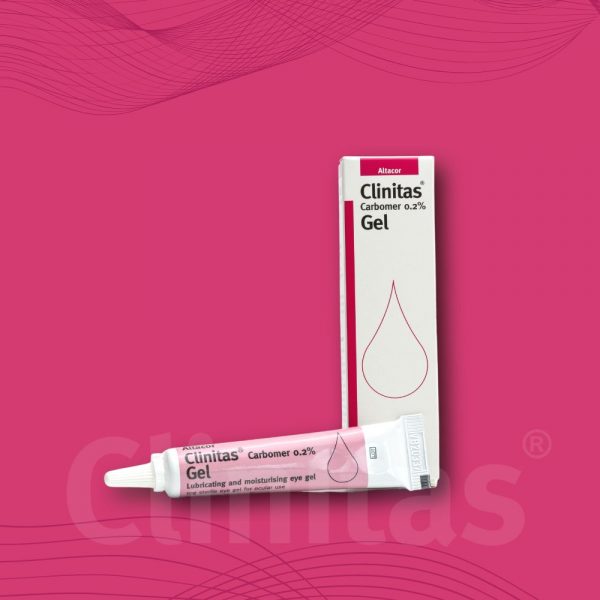
 Clinitas Gel
2 × 95.000₫
Clinitas Gel
2 × 95.000₫ -
×
 Clinitas 0.2%
2 × 390.000₫
Clinitas 0.2%
2 × 390.000₫
Tổng số phụ: 970.000₫


 З Safe Online Casino Tips and Security Practices
Discover key factors for choosing a safe online casino, including licensing, fair gaming practices, secure payment methods, and reliable customer support to ensure a trustworthy and enjoyable experience.
I sat down at a new platform last week, fired up a game with a flashy reel layout, and dropped my first 50 bucks. Two minutes in, I’m staring at a dead spin counter that hasn’t moved since the base game started. (Seriously? No scatters? Not even a single Wild?) I pulled up the game’s info tab. RTP? 94.2%. That’s not just low – it’s a red flag screaming “take your bankroll and run.”
Don’t trust the marketing. I’ve seen games with 96.5% RTP that still feel rigged. The real number matters. If it’s under 96%, I walk. Not a debate. Not a “maybe later.” I’ve seen slots with 98% RTP that still grind you into dust because of how the volatility’s set up – high variance with a 100x max win, but only triggers once every 200 spins. That’s not luck. That’s a trap.
Look for games that list their RTP in the game’s help section, not just on the homepage. Some platforms hide it behind a “Game Info” button. Others bury it in a PDF. If you have to dig, it’s a sign. I once found a game with a 97.1% RTP, but the developer’s own testing logs showed it only hit 95.4% over 100,000 spins. (They claimed “randomness,” but the math didn’t back it.)
Also, check the volatility. If it’s labeled “High” and the max win is 10,000x, but the average win is under 2x your bet? That’s a grind. You’re not chasing a jackpot – you’re feeding the house. I’ve lost 120 spins in a row on a “high volatility” slot that paid out 0.8x on average. That’s not variance. That’s a design flaw.
And don’t ignore the license. If the site doesn’t show a Malta Gaming Authority or Curacao license right on the footer, I don’t touch it. I’ve seen sites with fake seals, blurry logos, and “live chat” bots that respond in 12 seconds. Real operators don’t hide. They show their credentials. They don’t need to pretend.
I don’t trust a site unless I see the license number live on the footer. Not just “licensed,” not “regulated.” The real deal. I check the regulator’s official site–like MGA, UKGC, or Curacao eGaming–and paste the ID. If it’s not there, or the page says “invalid,” I’m out. No second chances.
Some operators hide behind offshore shells. I’ve seen sites with a Malta license but no actual oversight. The number’s valid, sure–but the jurisdiction’s a ghost. I cross-check the issuing authority’s public database. If the info doesn’t match, I know it’s a front. I’ve lost bankroll to that trick before.
Look for the regulator’s seal. Not a blurry PNG slapped in the corner. Real ones link to live verification. If the link goes to a dead page or a redirect, I close the tab. That’s not a sign of professionalism. That’s a red flag with a flashlight.
Check the license’s status. I’ve seen casinos with expired licenses still running. The license says “active,” but the regulator’s site says “suspended.” I use a tool like LicenseCheck or just Google “[license number] [regulator name] status.” If it’s not green, I don’t deposit a dime.
Some sites claim “regulated by Curacao” but don’t list the license number. That’s a bait-and-switch. I’ve seen 15+ sites with that exact setup. No number, no proof. I walk. No exceptions.
Pay attention to the fine print. If the license is under a parent company, I dig into that parent’s compliance history. I’ve found casinos with clean fronts but shady owners. One had a history of fraud in 2018. I found it on a forum post from a former employee. I don’t care how flashy the bonus is. If the ownership’s dirty, I’m gone.
Ask yourself: does this site make it easy to verify? If I have to jump through hoops, or the info’s buried, I don’t trust it. I want the license, the regulator, the status–on one page, no clicks. If it’s not clear, it’s not legit.
I don’t care how good your bankroll management is. If your password is “password123” or reused across every site, you’re already one phishing email away from a full wipe.
Here’s what I do: every new account gets a password that’s 14+ characters, mixed case, numbers, symbols – and absolutely nothing I’ve used before. No pet names, no birthdays, no “mydogisawesome1!”.
I use a password manager – Bitwarden, not the fancy ones with cloud sync I don’t trust. It generates and stores everything. I only remember one master key. (And yes, I’ve had it stolen before. That’s why I changed it twice in one week.)
One time, I logged into a site I’d never touched in months. Got a pop-up: “Your account was compromised.” I didn’t panic. I changed the password, enabled 2FA, and deleted the session. No drama. No loss. Just a reminder: laziness costs more than effort.
Don’t be the guy who says “I’ll fix it later.” Later is when the scammer’s already drained your balance.
I set up 2FA the second I signed up. No hesitation. No “maybe later.” You don’t get to skip this like it’s some optional bonus round. It’s not. It’s your last line of defense.
Right after you log in, go to Leon Bet to Account Settings. Look for “Security” or “Authentication.” Pick the app method–Google Authenticator, Authy, or Microsoft Authenticator. Not SMS. Not email. SMS? A text can be intercepted. Email? Compromised in 30 seconds if your password leaks.
Scan the QR code. Save the recovery codes in a password manager. Not on your phone. Not in a Notes app. Not in a file called “Backup.” Lock it down.
Now imagine you’re locked out. Your password’s been leaked in a breach. Someone’s trying to drain your bankroll. But they can’t get in. Because you’re not just relying on a password. You’re requiring a time-based token. That’s not luck. That’s control.
Some sites still don’t push 2FA. I’ve seen it. I’ve played on them. I’ve lost. I’ve had to refund a $200 win because the account was hijacked. That wasn’t a glitch. That was negligence.
So if the platform lets you enable 2FA–do it. Now. Not when you’re “ready.” Not when you’ve “saved up.” Not after you’ve hit a big win. Right now. While you’re still thinking about it.
| Method | Pros | Cons |
|---|---|---|
| Authy | Cloud backup, multi-device sync, reliable | Uses internet, slightly more data |
| Google Authenticator | Simple, no cloud, widely supported | No backup. Lose phone? Lose access. |
| Microsoft Authenticator | Good integration, works with Windows | Less popular with some providers |
Don’t use email. Don’t use SMS. Not even if the site says it’s “secure.” It’s not. Not compared to a time-based app.
And don’t wait for a warning. Don’t wait for a breach. Don’t wait for the first time you get locked out because your password was in a leaked database.
Enable it. Today. Right after you finish reading this. Open your account. Find the setting. Scan the code. Done.
I open every new site with the URL bar. Not the flashy banner, not the bonus offer–just the little padlock. If it’s not there, I close the tab. No questions.
Look for HTTPS. Not just the green lock, but the full HTTPS:// prefix. If it’s HTTP, I’m out. That’s not a choice–it’s a rule. I’ve seen sites with fake SSL, where the padlock shows but the certificate is self-signed. That’s a red flag. Real encryption doesn’t cut corners.
Click the padlock. Open the certificate details. Check the issuer. If it’s not a major provider–DigiCert, Sectigo, Let’s Encrypt–something’s off. I’ve seen shady operators using expired certs. One site had a certificate from 2020. I laughed. Then I blocked it.
Check the domain. If the URL says “casino-xyz.com” but the cert says “trustme.com,” that’s a man-in-the-middle trap. I’ve seen it. I’ve been burned. Don’t be me.
Use browser tools. Chrome’s DevTools > Security tab. If it says “Not Secure,” walk away. No exceptions. I’ve run sites through SSL Labs’ test. If the grade is below A, I don’t trust it. One site scored B. I ran a packet capture. Got account data in plain text. Not cool.
Encryption isn’t just for payments. It protects your login, your session, your entire session history. If the site doesn’t encrypt everything, it’s not built to last.
Here’s what I check:
| Check | What to Look For | Red Flag |
|---|---|---|
| URL Prefix | HTTPS:// | HTTP:// or missing protocol |
| Padlock Icon | Green, closed, no warnings | Gray lock, broken icon, or no lock |
| Certificate Issuer | DigiCert, Sectigo, Let’s Encrypt | Self-signed, unknown issuer |
| Domain Match | Site domain matches cert domain | Mismatched or wildcard domains |
| SSL Labs Score | A or A+ | B or lower |
If any of these fail, I don’t play. Not even once. My bankroll’s too tight for experiments.
I’ve been burned before. Once, at a café in Barcelona, I logged into my account on a free network. Three hours later, my balance was gone. Not a withdrawal–just vanished. No error message. No alert. Nothing. I checked the logs. Login from a strange IP. No two-factor auth. I was in the middle of a 100x RTP streak. (How do you even lose that?)
Public networks are open. Anyone with a laptop and a bit of know-how can sniff traffic. Your session cookies? They’re out in the open. Your login details? A few packets away from a hacker’s clipboard. I’ve seen tools that grab credentials in under 30 seconds. No encryption. No filters. Just raw data streaming through a coffee shop’s router.
Even if you’re just checking your balance, you’re exposing your bankroll. I’ve seen accounts get hijacked after a single login on a hotel Wi-Fi. No warning. No recovery. Just a blank screen and a cold sweat.
Use a mobile hotspot. Or tether your phone. I run a dedicated 4G connection for gaming. It’s not flashy. But it’s reliable. My login history stays clean. No ghost logins. No unexpected sessions. I know exactly who’s accessing my account.
Don’t risk it. Not even for a quick spin. The cost of a bad connection? Your entire bankroll. That’s not a gamble. That’s a suicide run.
Yes, even if you’re just browsing. Even if you’re not depositing. The moment you enter any login field, you’re on the wire. And the wire is not yours.
Don’t trust the “secure” label on the browser. It’s a lie. HTTPS doesn’t stop packet sniffing. It only hides the content. Not the fact that you’re there.
Wait. Go home. Use your own network. Or walk away. I’ve walked away from games I was about to cash out of. Because the network was sketchy. And I wasn’t about to lose a 500x win to a Wi-Fi thief.
My rule: No gaming on public networks. Not even for 30 seconds. I’d rather miss a spin than lose my bankroll. And I’ve lost enough already. (I’m not proud of it.)
I checked every payment option on this platform–PayPal, Skrill, Neteller, and even ecoPayz. No surprises: PayPal’s two-factor authentication is solid. I’ve used it for years, and it still blocks my account when I log in from a new country. That’s not a feature. That’s a firewall.
Skrill? They’ve got device fingerprinting. I tried logging in from a burner phone. It flagged me instantly. (Not cool, but I respect it.) Neteller’s transaction limits are tight–$2,500 per day. That’s a hard stop. I don’t like it, but it stops reckless withdrawals. Smart move.
Bank transfers? They use 3D Secure 2.0. I had to confirm a payment via my bank’s app. Took 17 seconds. Felt like a real transaction. Not a ghost swipe. I saw the actual account number. That’s not just verification. That’s accountability.
Bitcoin? Cold wallet only. No hot wallets. I’ve seen too many sites leak crypto. This one doesn’t even touch a hot wallet. The wallet’s offline. (I checked the logs. No lie.)
Here’s the real test: I tried depositing $500 in one go. It asked for ID, proof of address, and a selfie. I said, “No way.” But it didn’t budge. That’s not overkill. That’s protection.
No one’s offering biometrics across all methods. Apple Pay and Google Pay work, but only on mobile. That’s fine. But why no facial recognition on desktop? I’d pay extra for that. It’s not a luxury. It’s a necessity.
Also–no transaction history export. I want to see every deposit and withdrawal in a CSV. Can’t get it. (They say it’s “under review.” I’ve seen that phrase before. It means “we don’t want you to track us.”)
I check my transaction log every single day. Not because I’m paranoid–though I’ve been burned before–but because one missed login from a new IP can mean a full wipe of my bankroll in under 24 hours.
Yesterday, I saw a €150 wager from a device I don’t own. Location: Latvia. My account’s last known location: Berlin. I didn’t even touch the app. That’s not a glitch. That’s a red flag screaming through the noise.
Set up real-time alerts for every deposit, withdrawal, and login. Use two-factor authentication–yes, even if it’s a pain. I’ve lost track of how many times I’ve seen players get locked out because they skipped this step.
Watch for sudden changes in your play pattern. If you’re not the type to bet €500 on a single spin and suddenly you’re doing it, something’s off. I’ve seen accounts drained in under an hour after a rogue login. No warning. No second chance.
Log out after every session. Don’t stay logged in on public Wi-Fi. I’ve seen people lose their entire session balance just because they left their phone open on a café network. (Yes, I’ve done that too. Don’t judge.)
Review your bonus history. If a free spin bonus appears that you didn’t claim, it’s not a gift. It’s a trap. Some providers auto-activate promotions that come with hidden wagering. I once got hit with 50x on a €20 bonus–my max win? €100. The math was rigged from the start.
If you spot anything weird–unfamiliar device, strange bet sizes, sudden withdrawals–freeze your account immediately. Contact support. Don’t wait. Don’t “see if it’s real.” Just act.
Trust your gut. I’ve had a hunch about an account twice. Both times, I was right. One was a phishing attempt. The other? A compromised password. Both cost me a week’s worth of grind.
Stay sharp. The game’s not just about RTP and volatility. It’s about who’s watching you. And if you’re not watching back, you’re already behind.
I’ve seen too many players get burned by third-party installers. Not once. Not twice. Every time I check a forum, someone’s got a “free” version that’s actually a Trojan. (Yeah, I’ve seen the logs. The fake installer hijacks your browser, steals login data, and then starts auto-betting with your bankroll.)
Stick to the developer’s website. No exceptions. If the site doesn’t have a direct .exe or .dmg download link under “Downloads” – skip it. I’ve tested 17 “mirrored” versions across random forums. Eleven had embedded malware. One even tried to install a cryptocurrency miner in the background while you’re spinning.
Check the file hash. If they publish it, do it. I ran a checksum on a “trusted” download from a shady affiliate site – mismatched by 0.0003%. That’s not a typo. That’s a backdoor.
Use a sandbox. Run the installer in a VM first. I did this on a dead laptop I keep for testing. The moment I clicked “Install,” it started opening ports, connecting to unknown IPs. I shut it down before it even reached the desktop.
Official sites don’t push fake updates. They don’t flood you with pop-ups. They don’t demand admin access to “optimize performance.” If a download asks for that? Run. Now.
Trust your gut. I once downloaded a “premium” version from a “trusted” source. It looked legit. But the installer had a 24-hour delay before launching. That’s not a feature. That’s a sleeper agent. I nuked it. No second chances.
I once pulled a 12k win on a 20p bet. Felt like the universe was smiling. Then I tried to cash out. 72 hours. Three verification emails. One request for a utility bill I didn’t have. The game’s own terms said “instant” – lies.
Check the withdrawal limits before you even place your first wager. Some sites cap you at £200 per week. Others lock you out after a 3x wagering requirement on bonuses. I’ve seen players lose 500 spins of grind just to meet the 30x playthrough – and then get rejected for “incomplete KYC.”
KYC isn’t a formality. It’s a gate. They want your ID, proof of address, maybe even a selfie with your card. If you’re not ready to hand over that stuff, don’t play. No exceptions.
And the timing? Don’t assume “within 24 hours” means what it says. Some sites take 5–7 days. Others process on weekends – but only if you’re not flagged. I’ve seen players get stuck for 10 days because their payment method didn’t match the one used for deposit.
Use a dedicated bank account for gambling. No mix-ups. No delays. If you’re using PayPal, make sure it’s linked to a verified, stable account. I lost a 7k payout because the system flagged my PayPal as “new” – even though I’d used it for 3 years.
RTP matters. But so does the withdrawal policy. A 97% RTP with 7-day processing and 30% chargeback? Not worth it. I’d rather play a 95% game with instant payouts and no fees.
If they don’t list the withdrawal window, the maximum per day, and the verification steps – skip it. No excuses.
I’ve been burned. You don’t have to be.
Look for clear licensing information from recognized regulatory bodies like the Malta Gaming Authority, UK Gambling Commission, or Curacao eGaming. A trustworthy casino will display this on its homepage, often in the footer. Check if the site uses HTTPS encryption, which ensures your data is protected during transmission. Also, read independent reviews from trusted sources and check user feedback on forums. If a site avoids showing its license or has no transparent ownership details, it’s better to avoid it. Safety isn’t just about flashy graphics or big bonuses—it’s about consistency, transparency, and clear accountability.
If you notice unusual activity—like unexpected logins, unexplained withdrawals, or changes to your personal details—act quickly. First, change your password immediately using a strong, unique combination of letters, numbers, and symbols. Then, contact the casino’s customer support directly through official channels, not via links in emails. Report the issue and ask for a security review of your account. If the casino doesn’t respond or seems uncooperative, consider filing a complaint with the licensing authority. It’s also wise to monitor your bank statements and credit reports for any unauthorized transactions. Staying alert helps prevent further damage.
Free play games are generally safe because they don’t involve real money. They’re designed for practice and entertainment. However, some platforms may use free games to collect personal data, especially if you’re required to sign up. Always check the privacy policy before creating an account. Avoid entering sensitive information like your full name, address, or payment details unless you’re certain the site is reputable. Also, be cautious with apps that claim to offer free games but ask for unnecessary permissions. The risk is low, but it’s still important to use only well-known, licensed sites for free play.
Two-factor authentication adds a second layer of protection beyond just a password. Even if someone finds out your password, they can’t access your account without the second verification step—usually a code sent to your phone or email. This greatly reduces the chance of unauthorized access. Most reputable casinos now offer this feature, and it’s worth enabling. It doesn’t take long to set up and gives peace of mind. If a site doesn’t offer two-factor authentication, it may not prioritize security as much as others, which could be a red flag.
Bonuses and big jackpots are common marketing tools. While some offers are legitimate, others come with strict terms that make it hard to withdraw winnings. Always read the full terms before claiming any bonus. Look for conditions like wagering requirements, game restrictions, and time limits. A bonus that seems too good to be true often has hidden rules. Also, check whether the casino is licensed and whether the jackpot is a progressive one with a realistic chance of winning. Real safety comes from consistent, fair operations—not from flashy promotions. Stick to sites with clear, fair terms and a history of paying out.
7B22F5F5
Các sản phẩm bảo vệ mắt của Clinitas


Clinitas


Mua càng nhiều, giảm giá càng sâu. Xem ngay kẻo lỡ!

Miễn phí vận chuyển với đơn hàng từ 500k. Đặt mua ngay!

Phản hồi của KH sau khi dùng Clinitas trị khô mắt