
-
×
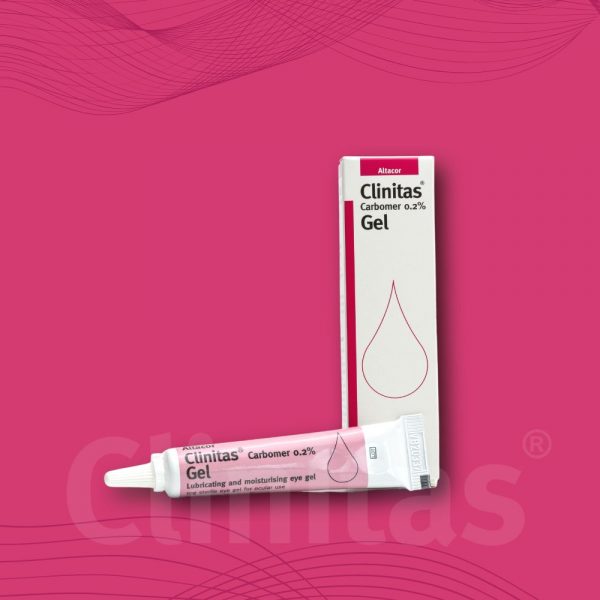
 Clinitas Gel
1 × 95.000₫
Clinitas Gel
1 × 95.000₫
Tổng số phụ: 95.000₫



This isn’t because of “human error”, the mainstay of high school lab reports. When we expect a compound to dissolve in one solvent rather than another, we are seldom rewarded with perfection. Instead, the compound is more likely to dissolve in one layer; there is an equilibrium constant that governs how much of the compound goes in one layer and how much goes in the other. Maybe 95% goes in the right layer, and the equilibrium constant forces the other 5% into the wrong one. In chemistry, solvents – which are generally in liquid form – are used to dissolve, suspend or extract other materials, usually without chemically changing either the solvents or the other materials. Solvents are used in hundreds of pharmaceutical products and contribute to many of the medicines people use today, from penicillin to aspirin, cough syrup and topical ointments.
Solutions and solvents play crucial roles in various chemical reactions. In many cases, reactions occur in solutions, where the reactants and products are dissolved in a solvent. The solvent provides a medium for the reactants to come into contact, facilitating the reaction. It can also influence the reaction rate and selectivity by affecting the solubility and accessibility of the reactants. Additionally, solvents can act as catalysts or participate in the reaction itself, depending on the specific reaction mechanism.


A substance is said to be insoluble when it dissolves poorly into a solvent, although even most insoluble solutes will still dissolve somewhat. Cash Disbursement Journal There are only a few cases in which the solute going to dissolve at all. Generally, a solute is considered insoluble if less than 0.1 g of the solute dissolves for every 100 mL of solvent. Liquid is one of the three primary states of matter, alongside solid and gas.

Whether it’s quenching our thirst with a refreshing liquid or using a solution to solve complex scientific problems, these two forms of matter continue to shape our world. While both solvent vs liquid liquids and solutions share the common attribute of being able to flow, they differ in several aspects. Liquids are a state of matter, whereas solutions are a specific type of mixture. Liquids have a definite volume but no definite shape, while solutions can take the shape of their container.
In some inks, the solvent effectively evaporates quickly enough to prevent smudging and provides a cost-effective, high performing way to print magazines or labels using vivid colors. In nail polish, the purpose of the solvent is to dissolve and help mix the other ingredients together evenly, and then evaporate as the nail polish dries, creating a smooth, consistent surface. Fingernail polish remover also is a solvent that functions for this particular use – to break down the ingredients in the polish. The solvent is a substance in https://www.gmshpmc.com/bookkeeping/2055.html which solute dissolves during the formation of the solution. It can break the molecular interaction between solute-solute molecules and suspend the free solute molecules evenly to make a solution.

The precipitate can be separated out of the rest of the solution by filtration or centrifugation, or it can fall out of the solution over time, or even just stay in-place in the solution. The term for the remaining liquid after the formation of a precipitate is “supernate”. In general, iodides, bromides, and chlorides are soluble, and so are nitrates, acetates, and perchlorates. Also soluble are substances containing ammonium cations and alkali metal salts. Solvents will continue to remain indispensablein organic chemistryfor at least the next few decades. Ironically, when scientific knowledgewas at its nascent stage, the practitioners of chemistry in generaland organic chemistry in particular favored naturally biocompatiblesolvents like ethanol and water.
Các sản phẩm bảo vệ mắt của Clinitas


Clinitas


Mua càng nhiều, giảm giá càng sâu. Xem ngay kẻo lỡ!

Miễn phí vận chuyển với đơn hàng từ 500k. Đặt mua ngay!

Phản hồi của KH sau khi dùng Clinitas trị khô mắt